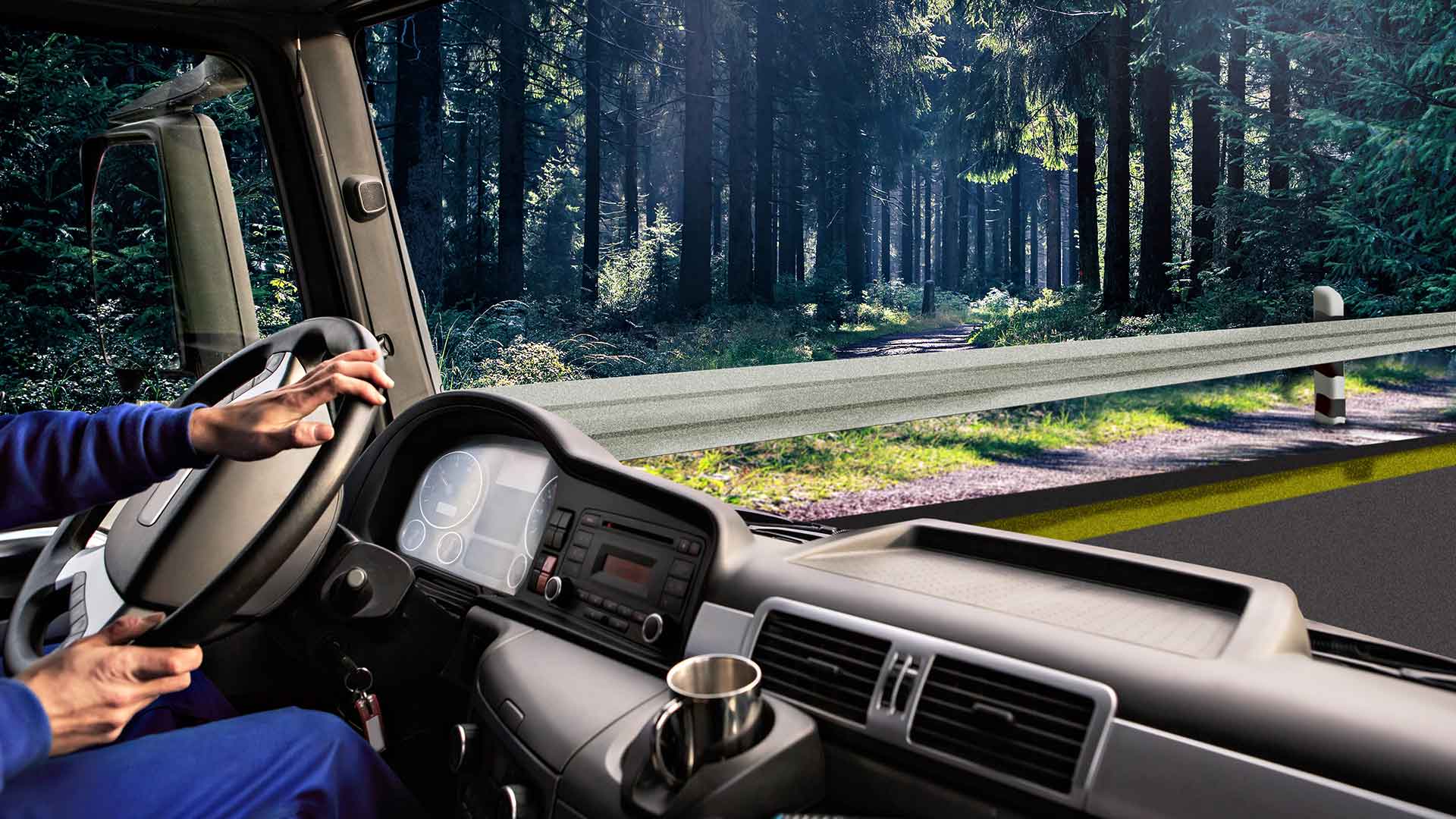


Classroom instruction helps students understand commercial driving rules, vehicle safety, and inspection procedures. Practical training allows them to apply that knowledge under appropriate supervision and develop the skills needed to operate a commercial vehicle safely.
Introduction: Passing the CDL Test Is Only the Beginning
Learning to operate a commercial truck involves much more than studying a manual or passing a driving test. Future truck drivers must understand how large vehicles respond on the road, recognize potential safety problems, maneuver in limited spaces, and make responsible decisions in changing traffic conditions.
For aspiring commercial drivers in Baltimore, Maryland, hands-on truck driver training is an important part of preparing for these responsibilities.
Classroom instruction helps students understand commercial driving rules, vehicle safety, and inspection procedures. Practical training allows them to apply that knowledge under appropriate supervision and develop the skills needed to operate a commercial vehicle safely.
At Maryland CDL Academy, prospective students can explore CDL training options and learn what to consider when preparing for a commercial driving career.
Whether you are pursuing a Class A or Class B Commercial Driver's License (CDL), understanding the value of practical instruction can help you make a more informed decision about your training.
In this guide, we explain the essential hands-on skills aspiring truck drivers should develop, how practical training supports CDL test preparation, and what Baltimore-area students should look for when choosing a truck driving school.
Why Hands-On Truck Driver Training Matters
Driving a commercial truck is different from driving a passenger car. Commercial vehicles are generally larger, heavier, and require drivers to understand additional safety procedures and vehicle-control techniques.
A new driver may understand the rules of the road but still need considerable practice to handle a large vehicle confidently and safely.
Hands-on training bridges that gap between theoretical knowledge and practical application.
During appropriate supervised training, students can learn how to:
- Perform commercial vehicle inspections.
- Control steering, speed, and braking.
- Maneuver a large vehicle in restricted spaces.
- Practice backing techniques.
- Observe traffic and maintain safe following distances.
- Recognize hazards and respond appropriately.
- Prepare for the practical components of the CDL skills test.
These skills are important not only for the licensing process but also for the responsibilities drivers may encounter after entering the commercial transportation industry.
For students searching for CDL training in Baltimore, understanding the practical component of a program is an important step toward choosing training that matches their goals.
1. Learning Pre-Trip Inspection Procedures
Before operating a commercial vehicle, drivers must understand how to inspect it and identify potential safety concerns.
Pre-trip inspections are an essential part of commercial driving because mechanical problems can create risks for the driver and others on the road.
What Do Students Learn During Inspection Training?
Depending on the vehicle and applicable test requirements, training may cover:
- Tires, wheels, and rims.
- Brakes and relevant components.
- Headlights, brake lights, and turn signals.
- Mirrors, windshield, and windshield wipers.
- Fluid levels and visible leaks.
- Steering and suspension components.
- Coupling systems on applicable combination vehicles.
- Emergency equipment and other required safety items.
Students also need to understand what they are checking and why each component matters.
For example, recognizing tire damage is only part of the process. A driver must also understand why tire condition affects vehicle safety and when a problem requires attention before driving.
Why Practice Makes a Difference
Inspection procedures can seem complicated to beginners because commercial vehicles contain many components that may be unfamiliar.
Repeated, structured practice helps students become more organized and systematic. It also helps them prepare to explain their inspection process during the applicable CDL skills test.
For Baltimore students preparing for a CDL, developing good inspection habits early provides a useful foundation for safe vehicle operation.
2. Developing Vehicle Control and Steering Skills
One of the first challenges for new commercial drivers is learning how a large vehicle responds to steering, acceleration, and braking.
Commercial trucks have different dimensions, turning characteristics, and stopping requirements from passenger vehicles.
Understanding Vehicle Size and Turning Space
Drivers need to understand the space required to turn safely, position the vehicle correctly, and avoid nearby vehicles or obstacles.
For example, a tractor-trailer may need additional space to complete a turn without allowing the trailer to strike a curb or enter an unsafe area.
Practical instruction helps students understand vehicle positioning and develop better awareness of the truck's surroundings.
Learning Smooth Acceleration and Braking
Commercial drivers must manage speed carefully and anticipate traffic conditions.
Sudden braking, excessive speed, and poor following distances can create dangerous situations.
During supervised training, students can work on:
- Applying the brakes smoothly.
- Maintaining appropriate speeds.
- Adjusting following distances.
- Anticipating traffic slowdowns.
- Maintaining control while changing speed.
- Understanding the effects of vehicle weight and road conditions.
These skills become especially important when operating a commercial vehicle in traffic, near intersections, or on busy routes.
For students attending a truck driving school in Baltimore, practical vehicle-control training can help prepare them for the range of driving conditions they may encounter.
3. Mastering Backing and Maneuvering Techniques
Backing is often one of the most challenging skills for new commercial drivers.
A large truck does not respond like a passenger car when reversing. The driver must understand how steering inputs affect the vehicle and, when applicable, how the trailer moves in relation to the tractor.
Limited visibility makes observation and careful control particularly important.
Common Backing Skills
Depending on the CDL class and applicable training program, students may practice:
Straight-line backing: Moving the vehicle backward while maintaining a relatively straight path.
Offset backing: Moving the vehicle backward into a space offset from its starting position.
Alley docking: Maneuvering a vehicle into a designated space using the required backing technique.
These maneuvers may be relevant to particular CDL skills tests, especially for Class A applicants. The specific maneuvers depend on the license class and applicable testing requirements.
What Makes Backing Practice Valuable?
Students need to learn how to make small steering adjustments, monitor mirrors, recognize when the vehicle is moving away from the intended path, and correct mistakes safely.
Patience is essential. Rushing a maneuver can increase the likelihood of errors.
Appropriate supervised practice helps students understand the relationship between steering, vehicle position, and trailer movement.
Backing proficiency also has practical value beyond the test. Commercial drivers may need to maneuver around loading docks, delivery areas, parking spaces, and other restricted locations.
4. Building Safe On-Road Driving Habits
A commercial driver's responsibilities extend well beyond controlling the vehicle.
Drivers must continuously observe traffic, anticipate hazards, follow traffic laws, and make decisions that account for the size and handling characteristics of their vehicles.
On-road training helps students apply their knowledge in realistic driving situations under appropriate supervision.
Maintaining Safe Following Distances
Commercial vehicles may require considerably more distance to stop than passenger cars, depending on speed, load, road conditions, and braking performance.
Students must learn to leave adequate space, monitor traffic ahead, and anticipate situations that may require slowing down.
Managing Turns and Intersections
Large vehicles often need additional turning space. Drivers must understand how to position the vehicle, check mirrors, observe surrounding traffic, and complete turns without creating hazards.
Changing Lanes and Checking Blind Spots
Commercial vehicles have areas around them that may not be visible directly to the driver.
Students must learn to use mirrors effectively, monitor surrounding traffic, signal appropriately, and make lane changes only when conditions permit.
Adjusting to Traffic and Road Conditions
Drivers may encounter congestion, construction zones, rain, reduced visibility, changing speed limits, and unexpected hazards.
Good training emphasizes observation, planning, patience, and appropriate responses rather than hurried decisions.
For people pursuing truck driver training in Maryland, these skills help connect classroom learning with the demands of operating a commercial vehicle safely.
5. Learning to Drive in and Around Baltimore
Baltimore-area students should consider the types of traffic and road conditions they may encounter during their commercial driving careers.
Depending on their routes and job responsibilities, commercial drivers may need to navigate urban streets, highway entrances, busy intersections, industrial areas, and locations with limited maneuvering space.
Common Driving Challenges
Heavy traffic: Drivers need to anticipate changes in traffic flow and maintain appropriate following distances.
Construction zones: Temporary lane changes, reduced speeds, and restricted space require careful observation and planning.
Tight turns: Urban streets and commercial access roads may require attention to vehicle positioning and turning clearance.
Highway driving: Drivers must learn to merge safely, maintain appropriate speeds, monitor traffic, and plan lane changes.
Delivery and loading areas: Restricted spaces may require careful maneuvering and an understanding of site-specific safety procedures.
Not every student will encounter the same conditions during training, and actual training routes depend on the program and instructor.
However, learning to recognize these challenges helps aspiring drivers understand why practical preparation matters.
When evaluating CDL schools in Baltimore, prospective students should ask how the training program develops the skills required for their intended license class and driving goals.
6. Preparing for the CDL Skills Test Through Practical Training
The CDL skills test evaluates whether an applicant can demonstrate the required knowledge and vehicle-control abilities for the applicable license class.
In Maryland, the CDL skills test generally includes three components:
- Vehicle inspection: Demonstrating knowledge of the required inspection procedures.
- Basic vehicle control: Completing the applicable vehicle-control maneuvers.
- Road test: Demonstrating safe commercial vehicle operation in traffic.
The exact requirements depend on the license class, vehicle, and applicable testing rules.
How Practical Training Supports Test Preparation
Hands-on training helps students become familiar with the tasks they may need to perform during testing.
For example, students can practice following a consistent inspection sequence, controlling the vehicle during backing maneuvers, and observing traffic while driving.
Instructors can help identify areas that need improvement and explain how to correct mistakes.
Students should also review the current Maryland CDL manual and confirm the applicable testing requirements before their appointment.
It is important to remember that training does not guarantee a passing score. Test readiness depends on the student's preparation, demonstrated skills, and ability to meet the applicable requirements.
The objective is to develop the knowledge and control needed to perform the required tasks safely and correctly.
7. Why Instructor Feedback Is Important
Practical training is most useful when students receive clear feedback and have opportunities to improve.
A beginner may not immediately recognize a steering error, an incorrect vehicle position, or an inspection step that needs more attention.
An instructor can help explain what happened, why it matters, and what the student should do differently.
Learning Through Repetition
Many commercial driving skills require practice.
Students may need to repeat a backing maneuver several times before they understand how small steering adjustments affect the vehicle.
Similarly, consistent inspection practice can help students become more systematic, while supervised road instruction can help reinforce safe observation habits.
Understanding and Correcting Mistakes
Making a mistake during training can become a learning opportunity when it is identified and addressed appropriately.
Rather than focusing only on completing a task, students should aim to understand the reason behind each action.
This approach helps build a stronger foundation for continued learning.
When comparing truck driving schools in Baltimore, ask about instructor feedback, opportunities for supervised practice, and how the program helps students address areas where they need improvement.
8. What to Look for in a Hands-On CDL Training Program
Not every prospective driver has the same goals, schedule, or experience level.
Before enrolling in a CDL training program in Baltimore, consider the following factors.
Training for Your Intended CDL Class
Confirm that the school offers a program appropriate for your intended license class.
Class A and Class B licenses apply to different vehicle categories, so the training needs may differ.
Practical Instruction
Ask which hands-on activities are included, what vehicles are used, and how students develop the relevant inspection, control, backing, and road-driving skills.
Individual Practice Opportunities
Find out how practical training is scheduled and how much supervised driving time students can expect.
Do not assume that every program provides the same amount of individual practice.
Instructor Guidance
Ask how instructors assess progress, provide feedback, and help students improve skills that require additional attention.
Program Requirements and Total Cost
Request current information about tuition, included services, scheduling, prerequisites, and any additional costs.
If federal Entry-Level Driver Training (ELDT) requirements apply to your application, verify that the provider is listed in the Federal Motor Carrier Safety Administration's Training Provider Registry for the required training.
You can check the FMCSA Training Provider Registry and review Maryland's current licensing information through the Maryland Motor Vehicle Administration.
Asking these questions helps you make a more informed decision about your training.
9. How Maryland CDL Academy Can Help You Explore Your Next Step
If you are looking for truck driver training in Baltimore, choosing a program that aligns with your goals is an important part of the process.
Maryland CDL Academy provides a local starting point for prospective students who want to learn more about commercial driver training options.
Before enrolling, consider which license class you need, what practical skills you want to develop, and which program requirements apply to you.
Contact the academy to ask about:
- Available Class A and Class B training options.
- Practical driving instruction and vehicle-control training.
- Program prerequisites and enrollment steps.
- Applicable ELDT requirements.
- Current tuition and training schedules.
- Preparation for the relevant CDL skills test.
Getting clear answers can help you determine which training option best fits your circumstances.
To learn more about available programs, visit Maryland CDL Academy and contact the school to discuss your goals.

Frequently Asked Questions About Hands-On CDL Training
1. Why is hands-on CDL training important?
Hands-on CDL training allows students to apply their knowledge in supervised practical settings. It can help them develop vehicle inspection, steering, backing, maneuvering, and safe driving skills relevant to their license class.
2. What do students practice during truck driver training?
Depending on the program, students may practice pre-trip inspections, basic vehicle control, backing maneuvers, mirror use, safe braking, and on-road driving. Training activities depend on the vehicle and applicable licensing requirements.
3. Is practical training required for a CDL in Maryland?
Federal ELDT requirements apply to specified first-time CDL applicants, license upgrades, and certain endorsement applicants. Other licensing and testing requirements also apply. Check the Maryland MVA and FMCSA websites for the requirements relevant to your situation.
4. How does hands-on training help with the CDL skills test?
Practical training helps students become familiar with inspection procedures, vehicle-control maneuvers, and road-driving tasks. Instructor feedback and repeated practice can help students identify and improve weak areas, although passing the test is not guaranteed.
5. How long does hands-on CDL training take?
The duration varies by license class, program structure, schedule, student progress, and testing availability. Ask the training provider for its current schedule and estimated completion timeline.
6. Can beginners enroll in truck driver training?
Many CDL programs are designed for people who are new to commercial driving. Applicants must still meet the applicable eligibility requirements and complete the required training and testing.
7. How do I choose a truck driving school in Baltimore?
Compare available license classes, practical training opportunities, instructor support, program requirements, tuition, and schedules. If ELDT applies to you, verify the provider's status in the FMCSA Training Provider Registry.
8. Does hands-on training guarantee a job after earning a CDL?
No. Training can help students prepare for licensing and develop relevant skills, but employment depends on qualifications, driving records, experience, employer requirements, and available positions.
Conclusion: Build Skills That Go Beyond the CDL Test
Passing the CDL skills test is an important milestone, but becoming a responsible commercial driver requires continued learning, sound judgment, and a commitment to safety.
Hands-on truck driver training helps aspiring drivers develop practical skills in vehicle inspection, steering, backing, maneuvering, and on-road driving. It also provides opportunities to receive feedback, correct mistakes, and better understand the responsibilities of operating a commercial vehicle.
For students in Baltimore, Maryland, choosing an appropriate CDL training program is an important first step toward preparing for the licensing process and exploring a future in commercial transportation.
If you are ready to learn more, Maryland CDL Academy can be your starting point for exploring available training options and understanding the next steps.
Ready to explore CDL training in Baltimore, MD?
Visit Maryland CDL Academy to learn more about the available programs and contact the academy with your questions about training and enrollment.
Start by building the right foundation, developing practical skills, and preparing for the road ahead.
Official Resources for CDL Applicants
- Maryland Motor Vehicle Administration — Commercial Driver's License
- Federal Motor Carrier Safety Administration — Entry-Level Driver Training
- FMCSA Training Provider Registry
Licensing, testing, and training requirements may change. Confirm current requirements with the relevant authorities before applying or scheduling a CDL test.