
Choosing the right CDL license is a major decision for new drivers. Many students ask one common question. What is the difference between CDL Class A and Class B? Understanding this difference helps you choose the right training and career path.
Choosing the right CDL license is a major decision for new drivers. Many students ask one common question. What is the difference between CDL Class A and Class B? Understanding this difference helps you choose the right training and career path.
At Maryland CDL Academy, we guide students through this choice every day. Both licenses offer great career opportunities. However, they serve different driving goals and vehicle types.
This guide explains the difference in a clear and simple way. It also works perfectly for short video text overlays.
What Is a CDL License?
A Commercial Driver’s License allows you to operate large or heavy vehicles. Federal and state laws require a CDL for commercial driving. The license ensures drivers understand safety rules and vehicle operation.
There are three main CDL types. They include Class A, Class B, and Class C. This guide focuses on Class A and Class B licenses.
What Is CDL Class A? (Quick Overview)
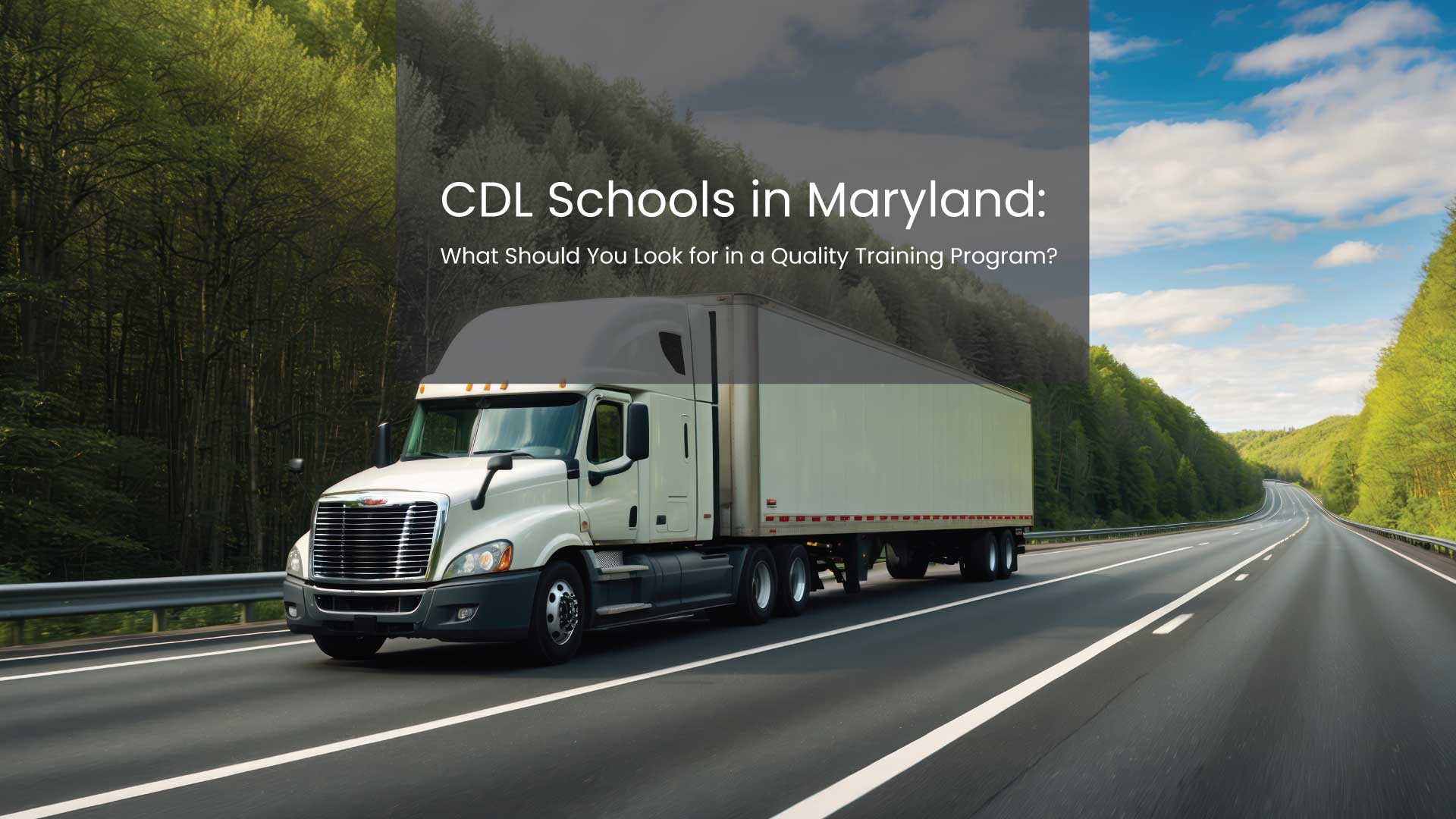
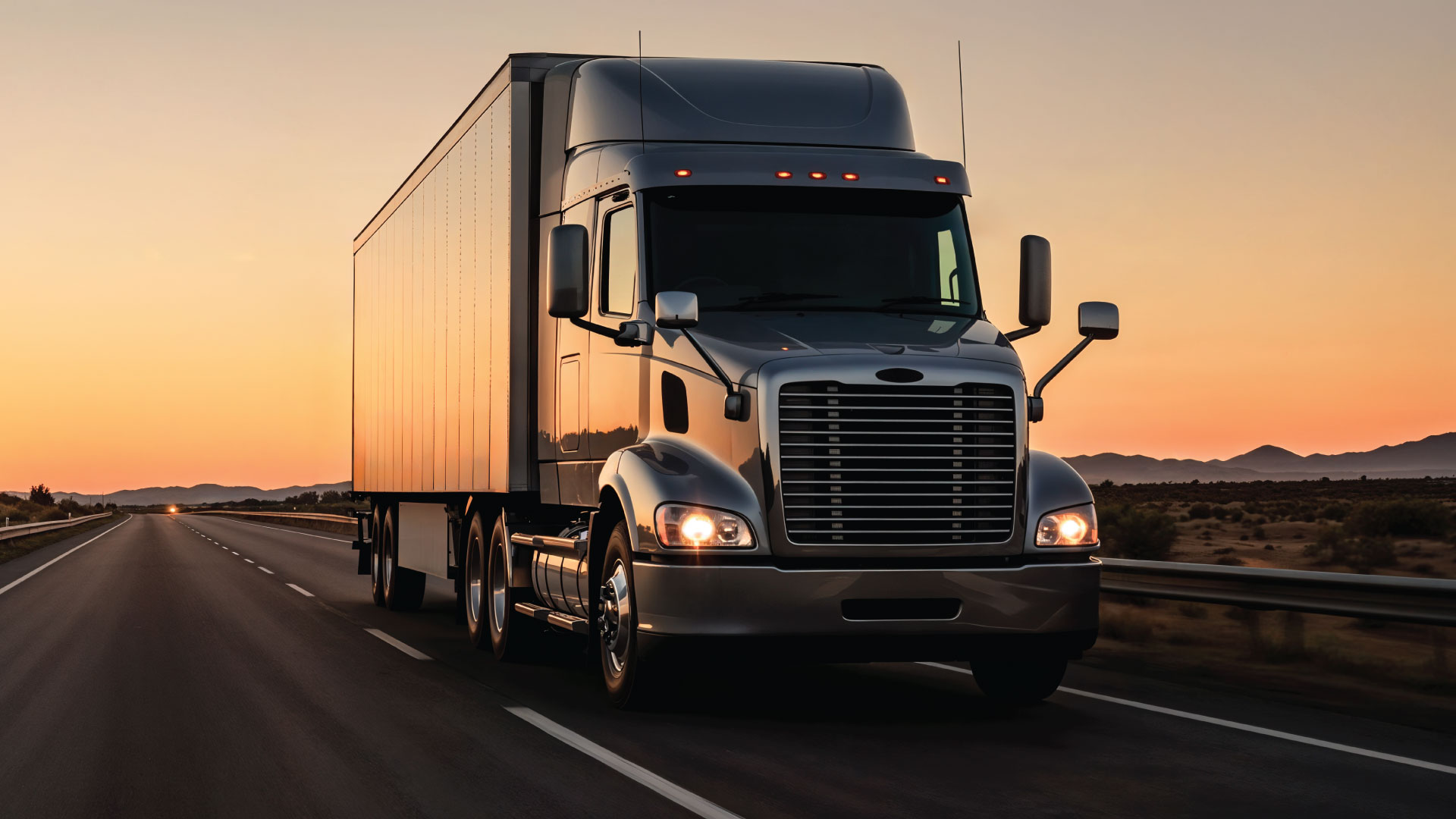
CDL Class A allows you to drive combination vehicles. These vehicles include a tractor and one or more trailers. The total weight must exceed 26,001 pounds.
Text Overlay Idea:
“CDL Class A = Tractor + Trailer”
Drivers with a Class A license can operate the largest vehicles on the road.
Vehicles You Can Drive With CDL Class A
With CDL Class A, you can drive:
- Tractor-trailers
- 18-wheelers
- Flatbeds
- Tanker trucks
- Livestock carriers
This license offers the most flexibility. Many drivers choose Class A for long-term career growth.
What Is CDL Class B? (Quick Overview)
CDL Class B allows you to drive single vehicles over 26,001 pounds. These vehicles do not have detachable trailers.
Text Overlay Idea:
“CDL Class B = Single Heavy Vehicle”
Class B licenses are popular for local and city driving jobs.
Vehicles You Can Drive With CDL Class B
With CDL Class B, you can drive:
- Straight trucks
- Box trucks
- Dump trucks
- Cement mixers
- School buses
- Passenger buses
This license suits drivers who prefer local routes and predictable schedules.
Key Difference Between CDL Class A and Class B
The main difference involves vehicle type and flexibility.
CDL Class A:
- Combination vehicles
- Tractor with trailer
- More job options
- Higher earning potential
- Interstate driving opportunities
CDL Class B:
- Single heavy vehicles
- No detachable trailers
- Local or regional jobs
- Stable schedules
- Passenger or service driving
Text Overlay Idea:
“Class A = More Options | Class B = Local Focus”
Which CDL License Pays More?
In most cases, CDL Class A drivers earn higher salaries. Long-haul and specialized trucking pay more. Tanker and flatbed jobs also offer higher wages.
CDL Class B jobs still pay well. These roles offer consistent income and less travel. Many drivers prefer Class B for work-life balance.
Your income depends on experience, endorsements, and employer demand.
Which CDL Is Easier to Get?
Both licenses require professional training and testing. CDL Class B is often easier for beginners. The vehicles feel simpler to operate.
CDL Class A requires more backing skills and trailer control. However, strong CDL training makes both achievable.
At Maryland CDL Academy, we train students step by step. We make complex skills easy to understand.
Which CDL License Is Right for You?
Choosing the right license depends on your goals.
Choose CDL Class A if you want:
- Long-distance driving
- Higher earning potential
- More job flexibility
- Career advancement
Choose CDL Class B if you want:
- Local routes
- Fixed schedules
- Passenger driving
- Construction or service jobs
Both paths lead to stable and respected careers.
Can You Upgrade from Class B to Class A?
Yes, you can upgrade later. Many drivers start with Class B training. They later move to Class A for better opportunities.
Professional CDL schools help with upgrades. Training builds on your existing skills.
Why CDL Training Matters for Both Licenses
Proper CDL training ensures safety and confidence. Training teaches vehicle control, inspections, and road rules. It also prepares you for the CDL skills test.
Quality training reduces test failures and job stress. Employers prefer drivers trained at reputable schools.
Why Choose Maryland CDL Academy
Maryland CDL Academy is the best CDL truck driving school in Baltimore. We offer both Class A and Class B CDL training.
Our programs include:
- CDL Class A training
- CDL Class B training
- Passenger and school bus training
- Permit preparation
- ELDT training
- Refresher courses
- Truck rental for testing
- Flexible schedules
- Experienced instructors
We help students choose the right license and succeed faster.
Quick Comparison Table (For Video Overlay)
CDL Class A
- Tractor-trailer
- Higher pay
- More job options
- Long-haul routes
CDL Class B
- Single vehicle
- Local jobs
- Fixed schedules
- Passenger options
Final Thoughts
Understanding the difference between CDL Class A and Class B helps you plan your future. Both licenses offer strong career opportunities. The right choice depends on your lifestyle and goals.
If you want expert guidance and professional training, Maryland CDL Academy is ready to help. We prepare drivers for real success on the road.